
Wireless Sensor Validation Lab
Characterise a wireless accelerometer against a wired reference, induce known faults on a controlled rig, and capture parallel streams for ground-truth labelling — all without a trip to a customer site.
For: Wireless sensor / accelerometer OEM running validation labs
You make wireless accelerometers. Before you can claim accuracy, you need a wired reference that is better than the device under test. Before you can claim fault-detection capability, you need labelled fault data that your algorithm has never seen.
The TIERA validation workflow gives you both.
Step 1 — Reference characterisation. Mount your wireless sensor alongside a wired TIERA accelerometer on the T-Calibro calibration system. Run a sweep across your frequency range. Compare amplitude and phase response channel by channel. Document the delta. This is your device characterisation record.
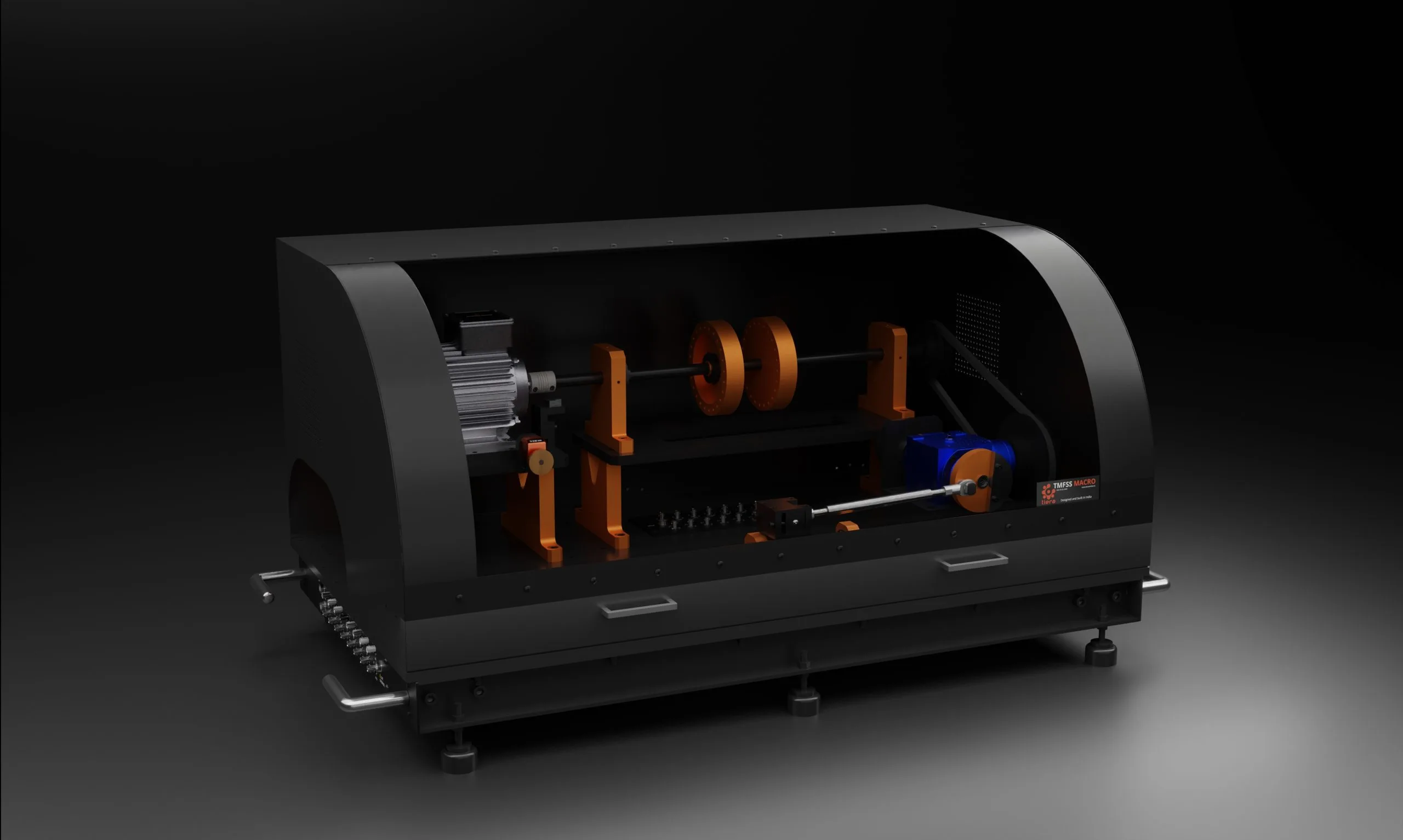
Step 2 — Fault induction. Move to the TMFSS. Select a fault — outer-race bearing defect, misalignment at 0.2 mm parallel offset, pump cavitation — and lock it in. The TMFSS rigid base ensures the signature is repeatable across sessions and across test stands. Your sensor sees the same fault every time you run it.
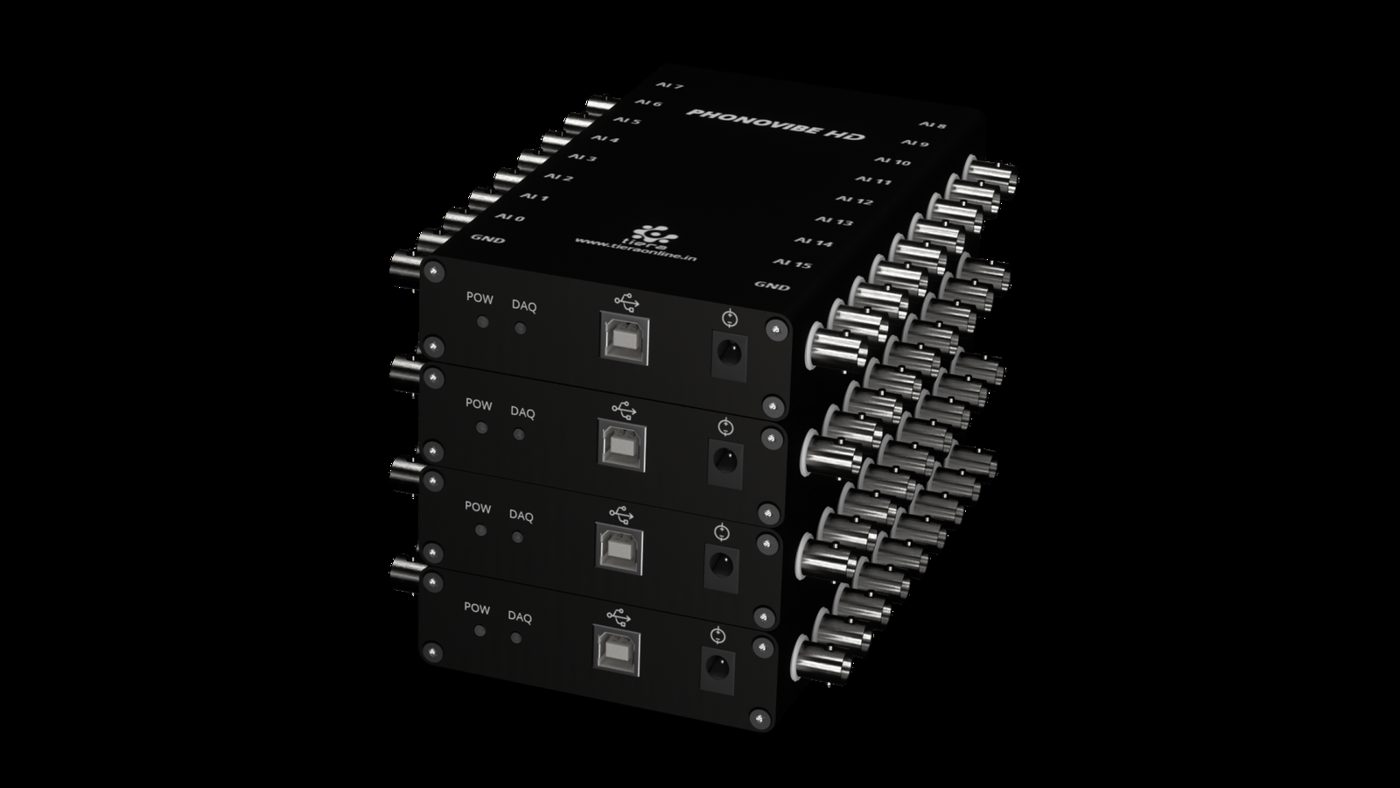
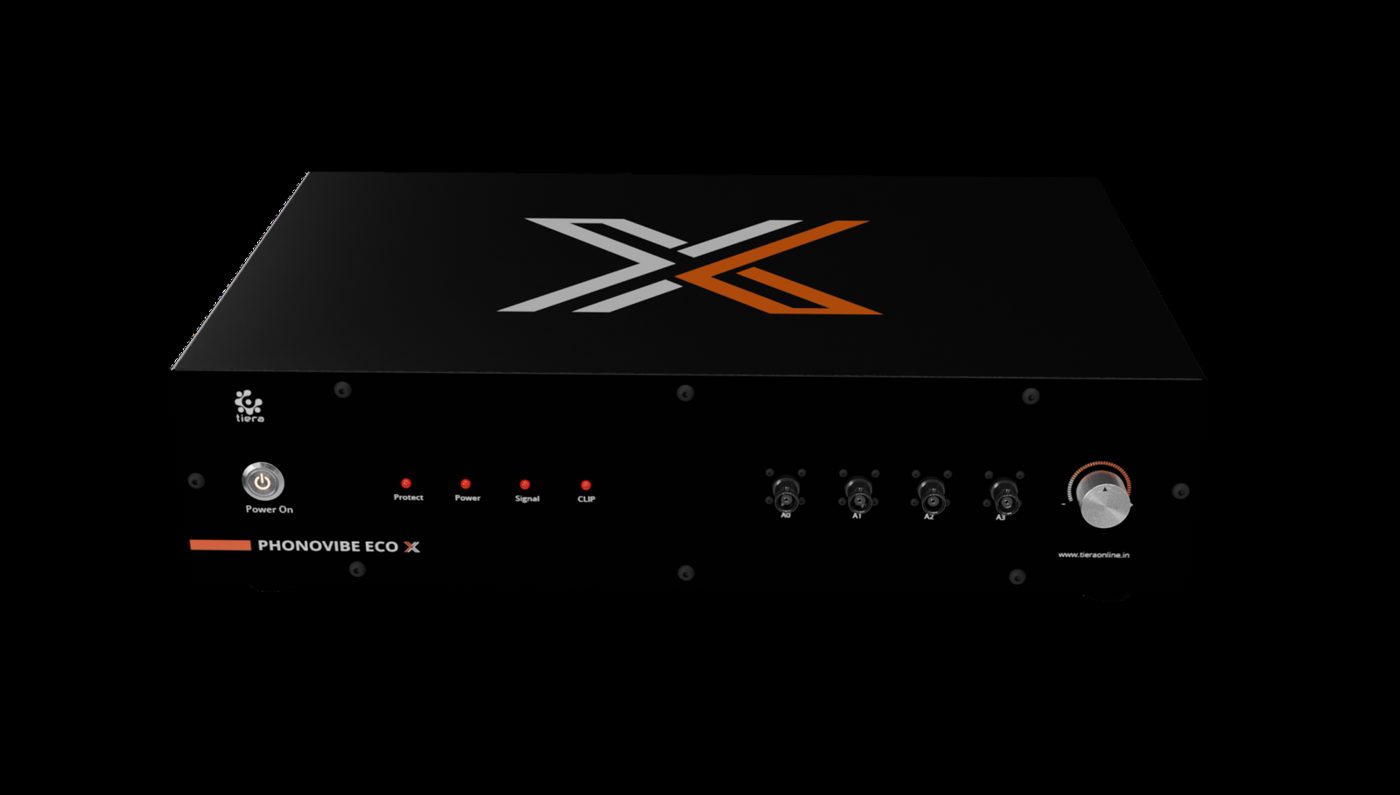
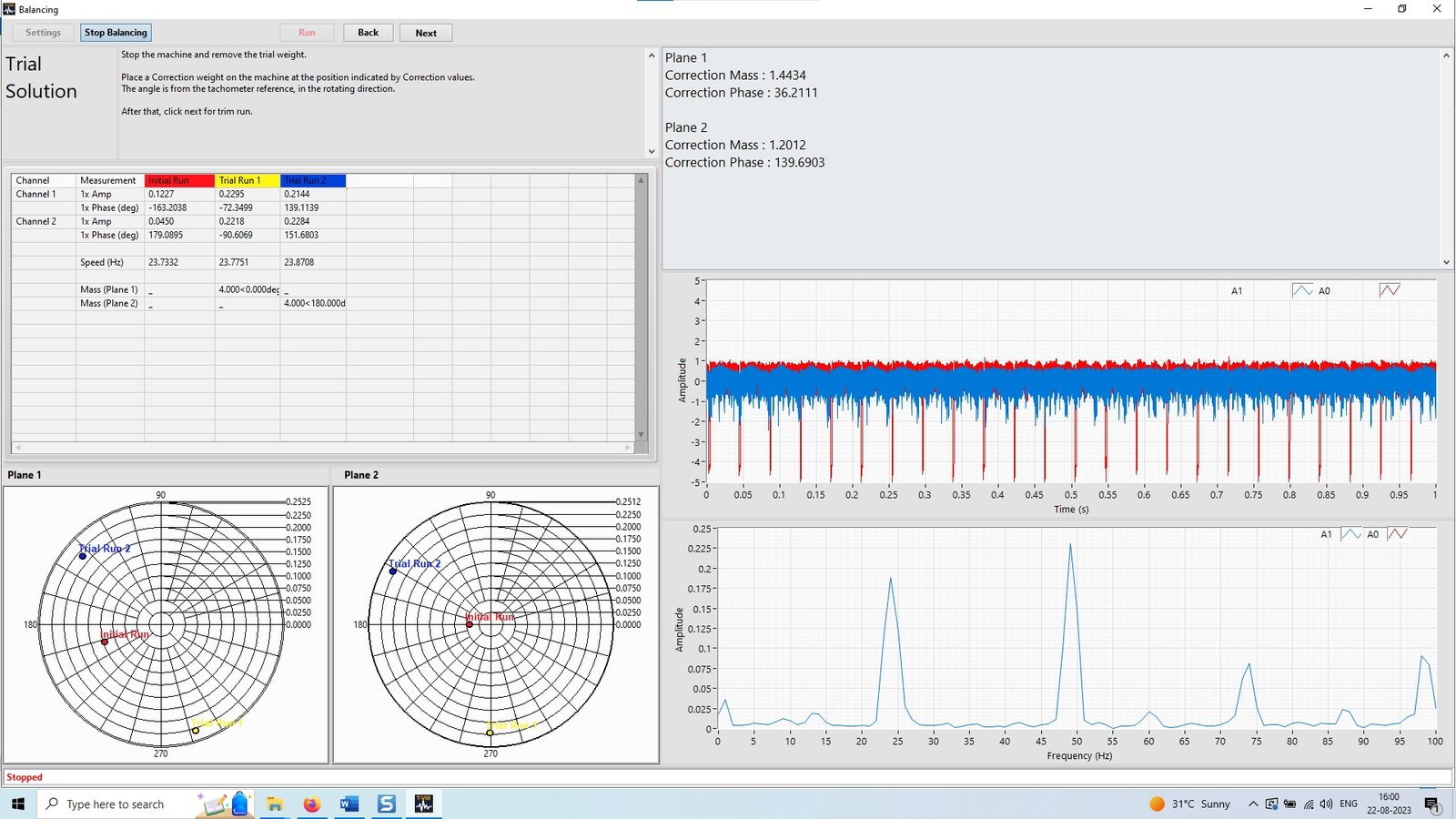
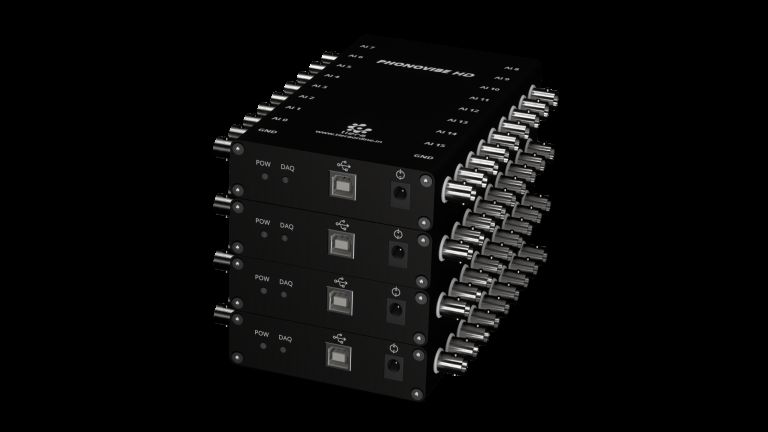
Step 3 — Parallel capture. Run your wireless sensor and a wired PhonoVibe channel simultaneously. Capture both streams. The PhonoVibe stream is your ground truth. The wireless stream is what your algorithm will see in the field. You now have labelled pairs for every fault type you need.
Step 4 — Algorithm training. Feed the labelled pairs to your classifier. Validate against held-out fault conditions. The TMFSS add-on kits let you extend the fault library when you need new failure modes.
This is a repeatable, documented process — the kind that satisfies an R&D review or a customer audit.
Products in this workflow
TMFSS — Machinery Fault Signature Simulator
Experience · Train · Innovate — 30+ machinery faults reproduced on a benchtop simulator.
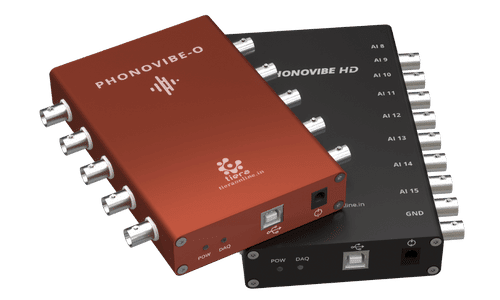
PhonoVibe Series — Sound & Vibration DAQ
24-bit USB data acquisition for sound and vibration. Plug-and-play. Made in India.
T-Calibro Vibration Calibration System
Traceable calibration for IEPE accelerometers, on your bench.
Sensors & Accessories
From sensor tip to DAQ input — every link in the measurement chain.
Want to set this up?
We can walk you through instrument selection, configuration, and first measurement in a 20-minute call.